monica@m2exports.com - GST NO. : 33ABKFM9800H1Z7
- Send Email


| Business Type | Exporter, Supplier, Retailer |
| Type | Clay Mineral |
| Material | Bentonite |
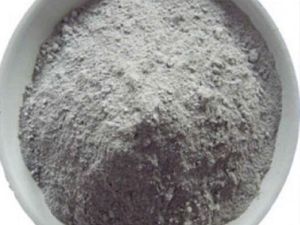
| Color | Gray |
| Click to view more | |
Product Details
Packaging
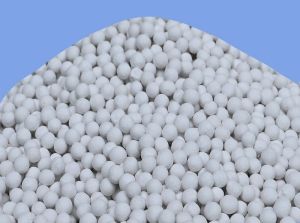
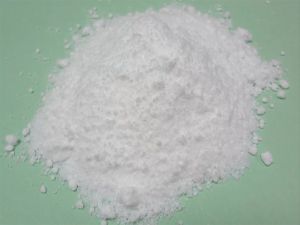
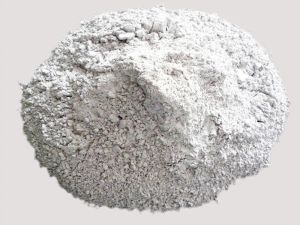
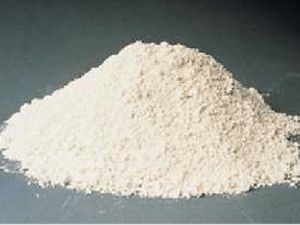
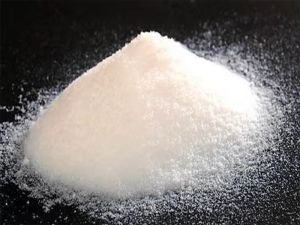
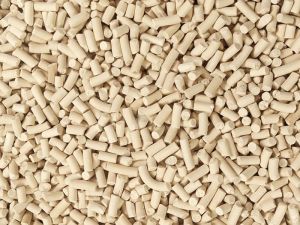
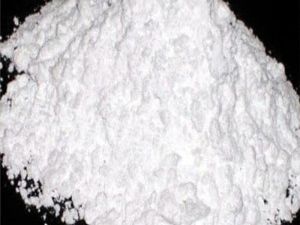
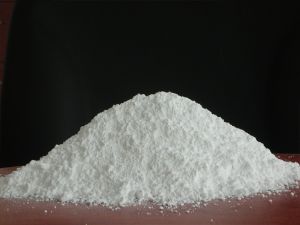
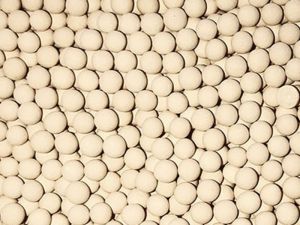
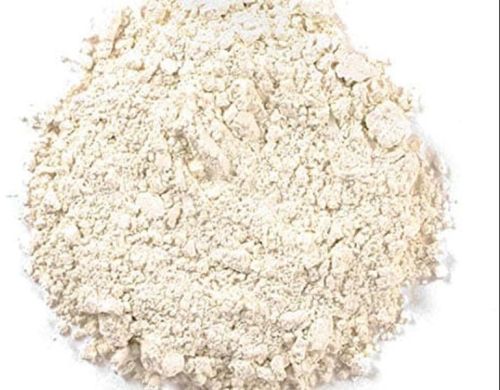
Granules, Powder
Usage
Soil Amendment, Drilling Muds, Foundry Sands
Form
Granules, Powder, Organoclays
Key Differences
Sodium Bentonite Swells Significantly In Water
Industries
Construction, Agriculture, Foundry Industry, Environmental Remediation
Sustainability
Naturally Occurring And Abundant Clay, Sustainable Material Choice
Bentonite: The Humble Clay with a Multitude of Uses, Powered by Sodium and Calcium Variations
Bentonite isn’t your average clay. This naturally occurring aluminum silicate mineral boasts a unique structure that unlocks a remarkable range of applications across various industries. From enhancing soil health to cleaning up oil spills, bentonite’s versatility, further amplified by variations like sodium and calcium bentonite, makes it a valuable material in our world.
Born From Volcanic Ash:
Bentonite is formed through the weathering of volcanic ash, primarily composed of a clay mineral called montmorillonite. This special clay has a sheet-like structure with microscopic pores and a high cation exchange capacity (CEC). These properties are key to bentonite’s diverse functionalities, and the type of cation (positively charged ion) dominant within the clay structure significantly impacts its behavior. Here’s where sodium and calcium bentonite enter the scene:
- Sodium Bentonite:This type of bentonite has a high proportion of sodium ions (Na+) within its structure. Sodium ions create a weak bond with the clay sheets, allowing them to swell significantly when exposed to water. This swelling ability makes sodium bentonite ideal for applications requiring high thickening and absorption, such as:
- Drilling Muds:Sodium bentonite forms a thick gel when mixed with water, crucial for stabilizing wellbores during drilling operations.
- Foundry Sands:It acts as a binder in foundry sand molds, holding the sand particles together during metal casting.
- Soil Amendment:Sodium bentonite can improve soil water retention in sandy soils.
- Calcium Bentonite:In contrast, calcium bentonite has a higher concentration of calcium ions (Ca2+) between its clay sheets. These divalent cations (having a double positive charge) form stronger bonds, resulting in less swelling compared to sodium bentonite. However, calcium bentonite excels in:
- Adsorption and Clarification:The strong attraction between calcium ions and various contaminants makes calcium bentonite effective in adsorbing impurities from liquids like wine, juices, and wastewater.
- Pellet Binder:It acts as a binding agent in the production of pellets, such as those used in animal feed or as fuel sources.
- Carrier for Pesticides and Herbicides:Calcium bentonite’s adsorption properties make it a suitable carrier for these agricultural chemicals, allowing for slow and controlled release.
-
Choosing the Right Bentonite Type:
Understanding the key differences between sodium and calcium bentonite is crucial for selecting the optimal type for your needs. Here’s a quick guide:
- High Swelling and Absorption:Choose sodium bentonite.
- Adsorption and Clarification:Choose calcium bentonite.
- Balancing Needs:In some cases, a blend of sodium and calcium bentonite might be the most effective solution.
Bentonite’s Impact Across Industries:
Bentonite’s diverse properties, further amplified by sodium and calcium variations, make it a valuable asset in numerous sectors:
- Construction:Drilling muds, landfill liners, and sealants (both sodium and calcium bentonite).
- Agriculture:Soil amendment (sodium bentonite), and carrier for agricultural chemicals (calcium bentonite).
- Foundry Industry:Binder in sand molds (primarily sodium bentonite).
- Environmental Remediation:Oil spill and contaminant absorption (both sodium and calcium bentonite, depending on specific contaminant).
- Pharmaceutical Industry:Clarifying agent and disintegrator in some medications (often calcium bentonite).
Bentonite: A Sustainable Choice
Bentonite is a naturally occurring and abundant clay, making it a sustainable material choice. Additionally, its ability to improve soil health, remediate environmental damage, and act as a carrier for controlled release of agricultural chemicals contributes to a more sustainable future.
Considering Bentonite for Your Needs?
Bentonite comes in various forms, including granules, powders, and even organoclays (modified with organic compounds). Choosing the right type, whether sodium, calcium, or a blend, depends on your specific application. By understanding the unique properties of bentonite and its variations, you can unlock its potential to enhance your processes and products.
Looking for "Bentonite Powder" ?
Metric Ton
Explore More Products